
 Click Here to Rent Out Your Room or House!
The best suburb in Auckland depends on what you refuse to compromise on: rent, commute, nightlife or the beach. For most renters and flatmates in 2026, the shortlist starts with Kingsland, Sandringham and Onehunga — fairly priced, well connected, and about to get more so when the City Rail Link opens. This guide compares 14 neighbourhoods on the things that decide a flatting decision: what rooms actually cost, how you'd get home at midnight, what the houses are like to share, and the trade-offs the glossy guides skip.
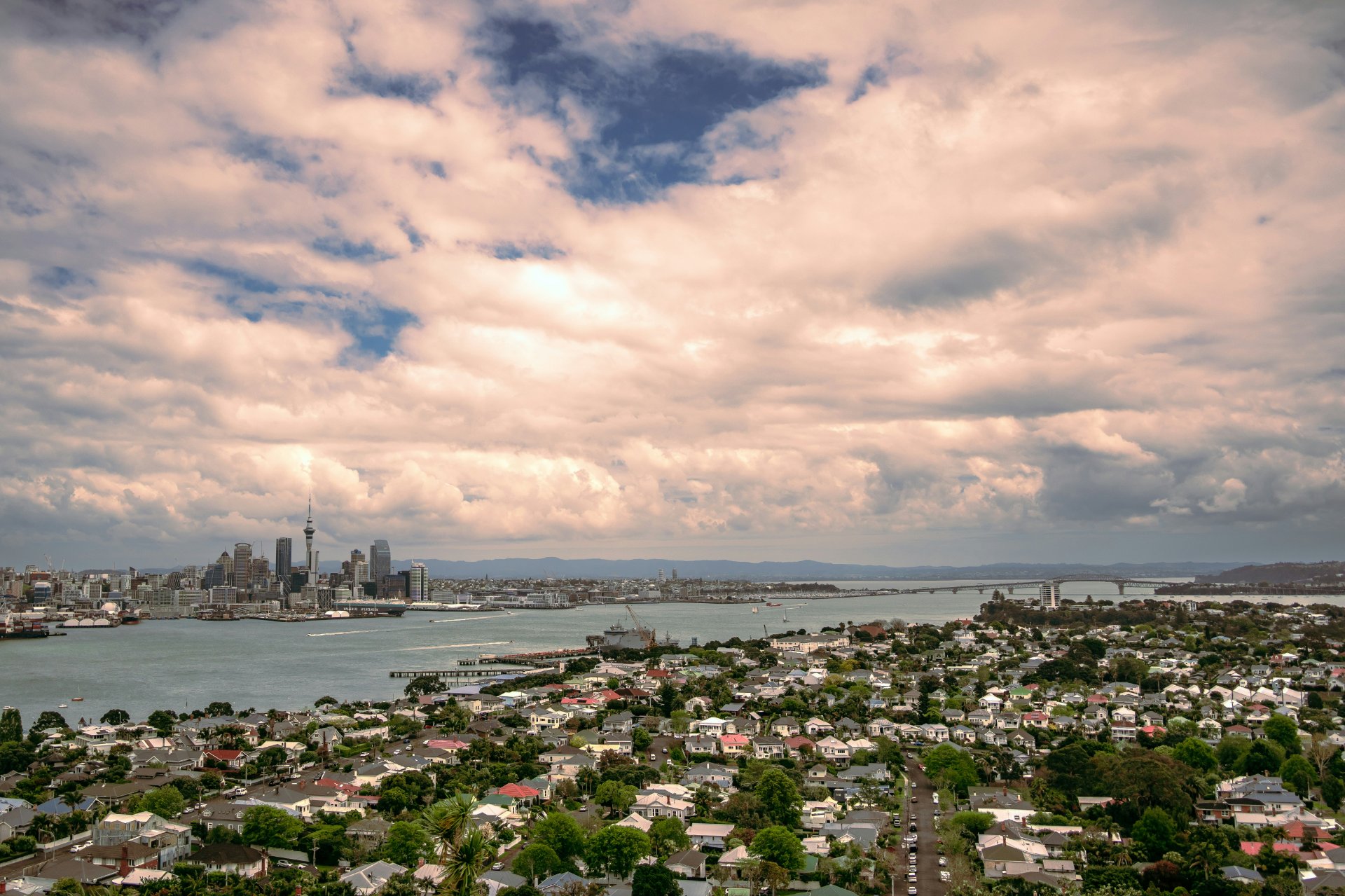
Auckland is not a small search area. Stats NZ estimates put the region's population at 1,816,000 as at 30 June 2025 — it passed 1.8 million that year — and Auckland Council notes that around a third of all New Zealanders live here. That scale is exactly why picking the wrong suburb is expensive: it can add hours to your week and thousands to your year.
What are the best suburbs in Auckland?
For renters, the strongest all-round Auckland suburbs in 2026 are Kingsland, Morningside, Sandringham and Onehunga — good value on the rail network with genuine neighbourhood life. Ponsonby and Grey Lynn lead for nightlife and walkability if the budget stretches; Takapuna and Devonport for beach living; Avondale, New Lynn, Papatoetoe, Glen Innes and Henderson for the lowest rents that still get you to town by train. With the City Rail Link opening in the second half of 2026, suburbs on a train line are the smart place to start.
The 14 suburbs at a glance
| Suburb | Area | Best for | Getting to the city centre | Indicative rent level* |
|---|---|---|---|---|
| Ponsonby | Inner west | Nightlife, walk-everywhere living | Walk, bus; new Karanga-a-Hape station near the K Road end | $$$$ |
| Grey Lynn | Inner west | Big villa flatshares, cafés without the crowds | Bus; walk to Ponsonby Road | $$$$ |
| Kingsland & Morningside | City fringe | The all-round first pick for flatters | Western Line train (East West Line once CRL opens) | $$$ |
| Mt Eden | City fringe | Village feel, families, CRL on the doorstep | New Maungawhau station; buses | $$$$ |
| Sandringham | City fringe | Food streets and gentler rents next to Mt Eden | Buses; walkable to Kingsland's station from the northern end | $$$ |
| Onehunga | Central south | Character on a budget, harbour edge | Onehunga Line train (Onehunga West Line post-CRL) | $$ |
| Avondale | West | Value plus a Sunday market | Western Line train | $$ |
| New Lynn | West | Cheapest rail-connected townhouse/apartment stock | Western Line train + bus interchange | $$ |
| Takapuna | North Shore | Beach town with a real centre | Buses via the Northern Busway corridor | $$$$ |
| Devonport | North Shore | Heritage charm, ferry commute | Ferry to downtown | $$$$ |
| Mission Bay & St Heliers | East bays | Waterfront living | Buses along Tāmaki Drive only — no train | $$$$ |
| Glen Innes & Panmure | East | Budget rents on the Eastern Line | Eastern Line train (East West Line post-CRL) | $$ |
| Papatoetoe | South | Value, food, direct trains through the new tunnels | Southern Line train (South City Line post-CRL) | $ |
| Henderson | Deep west | Lowest rents on the rail network, Waitākere gateway | Western Line train (station upgrade underway) | $ |
* Indicative relative tiers only, for scanning — not published medians. Before shortlisting, check the current median for any suburb and bedroom count in the official Tenancy Services market rent tool, which is updated monthly from real lodged bonds.
How we chose these suburbs
Ranking neighbourhoods honestly needs a method, so here's ours. Every suburb on this list was assessed on four things: what tenants are actually paying, per Tenancy Services bond-based rent data rather than asking prices; transport under the network Auckland will have from late 2026, per Auckland Transport's published plans; housing stock that suits sharing, from carved-up villas to new townhouses; and everyday amenity you can reach on foot. Where a call is a judgement rather than a fact — "best food street", "nicest beach" — we say so. Nobody paid to be on this list, and no real-estate agency supplied the rankings.
Why the City Rail Link changes this list
Any "best suburbs" guide written before 2026 is describing a different city. The City Rail Link — two 3.5 km rail tunnels under the city centre — is in final testing, and CRL Ltd confirms it will open in the second half of 2026, with Auckland Transport to announce the exact date. 1News reported in July 2026 that officials expect opening between late August and early September, on a reduced timetable at first, building to full service within about six months.
What that means in practice, per Auckland Transport: the rail network is being rewired around the tunnels. The Southern Line becomes the South City Line, running Pukekohe to the city centre through the new tunnels; the Eastern and Western Lines merge into the East West Line, Swanson to Manukau via the city; and the Onehunga Line becomes the Onehunga West Line. Trains will stop at two brand-new inner-city stations — Te Waihorotiu in midtown, which AT expects to become the country's busiest station, and Karanga-a-Hape by Karangahape Road — instead of everything terminating at Waitematā (Britomart).
The renter's takeaway: suburbs sitting on a train line — Kingsland, Morningside, Mt Eden, Avondale, New Lynn, Henderson, Onehunga, Glen Innes, Panmure, Papatoetoe — are about to get materially better connected to the middle of town, not just the bottom of it. If you're signing a 12-month tenancy in late 2026, that's worth weighting heavily.
The inner west: nightlife on your doorstep
Ponsonby — best for going out, if the budget stretches
Ponsonby is where Auckland's restaurant-and-bar energy concentrates, and its rents price that in. The REINZ February 2026 rent review recorded a median of $710 a week for a one-bedroom Ponsonby rental — up sharply from $525 a year earlier (suburb-level, single-bedroom samples are small, so treat any one month's figure as a signal, not gospel). The flatting stock is mostly Victorian and Edwardian villas divided into flats and rooms, which means high ceilings and character — and, in the older unrenovated ones, winter cold. Everything is walkable: the city centre, Karangahape Road, and, once the City Rail Link opens, the new Karanga-a-Hape station near Ponsonby's K Road end. The trade-offs are the price of a room and weekend noise anywhere near the main strip.
Grey Lynn — best for classic villa flatshares
One ridge over, Grey Lynn is Ponsonby with the volume turned down: the same villa streets, a genuine local café scene around the West Lynn shops, and Grey Lynn Park for weekend sport. For flatters its defining feature is the housing stock — big multi-bedroom villas that have hosted generations of group flats, so rooms come up regularly and per-room costs undercut what the suburb's reputation suggests. Ask hard questions about insulation and heating before signing; villa quality varies enormously, and a cheap cold room is rarely cheap by August. You'll walk or bus rather than catch a train here.
The city fringe: the all-round sweet spot for renters
Kingsland & Morningside — best overall for flatters
If one area balances price, transport and life, it's this pair. Both sit on the Western Line — direct to midtown once it becomes the East West Line through the CRL tunnels — and Kingsland's short strip packs in cafés, bars and eateries out of proportion to its size. Eden Park is effectively the neighbour, which cuts both ways: big-match nights bring atmosphere, crowds and noise, and quiet the rest of the year. Housing runs from villas and bungalows to newer townhouses on the Morningside side, and demand from young renters keeps rooms moving quickly. This is the suburb pairing we'd shortlist first for anyone new to Auckland who works in or near the centre.
Mt Eden — best village feel with a brand-new station
Mt Eden village has the daily rhythm renters underrate until they have it: proper bakeries, cafés and small grocers within a five-minute walk, under the maunga that gives the suburb its name and its skyline views. Its transport story just changed completely — the new Maungawhau station is one of the City Rail Link's stations, putting the village a few stops from midtown. Families compete hard here, drawn partly by the sought-after grammar-school zones, which keeps whole-house rents high; flatters make it work by sharing the larger older homes on the flat streets between the village and Dominion Road.
Sandringham — best food-per-dollar on the isthmus
Sandringham is the value play hiding beside Mt Eden. Its shops are best known for South Asian eateries that draw people from across the city, the housing is classic villa-and-bungalow stock suited to sharing, and rents generally sit a notch below its famous neighbours — confirm the current gap yourself in the Tenancy Services market rent tool, because it moves. Buses run along Sandringham Road, and the suburb's northern end is a walk from Kingsland's station. The honest downside: it's quieter at night, so treat it as a place you come home to rather than go out in.
Best value on a train line
Onehunga — best character on a budget
Onehunga gives you an old-school main street — op shops, bakeries, independent retailers — plus the Manukau Harbour foreshore, at rents well below the city fringe. It's the terminus of the Onehunga Line, which Auckland Transport's post-CRL network renames the Onehunga West Line, keeping a direct rail link to the centre. The stock mixes old cottages, brick units and newer townhouse builds, so per-room costs vary widely street to street. It suits renters who want somewhere with texture and history without inner-west pricing.
Avondale — best up-and-comer in the west
Avondale's pitch is simple: a Western Line station, a famous Sunday market, and a wave of new townhouse construction that has added modern, warmer rental stock at sharper prices than the inner suburbs. Property managers consistently group it with the west's best-value rental areas. It's a suburb in transition — parts are being rebuilt around you — which is exactly why the value exists.
New Lynn — best cheap and connected
New Lynn is more function than charm: a major rail-and-bus interchange, the LynnMall shopping centre, and a concentration of apartments and townhouses that make it one of the cheapest ways to live on the rail network with everything you need in walking distance. If your priorities are a low room price and a one-seat train ride to town, it belongs on the shortlist; if you're after café-strip atmosphere, look back up the line.
Beach life: the Shore and the bays
Takapuna — best beach town with a real centre
Takapuna is the rare Auckland combination of a swimmable beach and a genuine town centre — supermarkets, restaurants, a cinema — in the same walkable footprint. Buses connect to the city via the Northern Busway corridor, the Shore's fast route across the bridge. You pay for all of it: Takapuna sits at the expensive end of the Shore, with apartments and post-war houses making up most of the rental stock. For flatters, rooms exist but competition is real; for anyone who measures quality of life in swims before work, it's hard to beat.
Devonport — best heritage escape (mind the ferry timetable)
Devonport feels like a seaside village that happens to sit opposite the downtown skyline: heritage streets, two beaches, and a ferry commute straight to the bottom of town. That ferry is the whole equation — a lovely, quick commute when it suits the timetable, and a constraint when it doesn't. Before committing, check the late-evening and weekend sailings against how you actually live; the road alternative around the harbour is long. Rents are firmly upper-tier, and quiet nights are the point, not a flaw.
Mission Bay & St Heliers — best waterfront, worst rail access
The eastern bays deliver Auckland's postcard: a beach promenade along Tāmaki Drive, cafés facing the water, Rangitoto on the horizon. There is no train — it's buses along the waterfront or driving — and that single fact should shape whether the bays fit your week. As a lifestyle-first choice for people who don't commute daily to the far side of town, they're glorious; as a value-per-dollar renting decision, the inner west and city fringe beat them.
Best budget picks that still get you to town
Papatoetoe — best value in the south
Old Papatoetoe's shops and food scene, a Southern Line station, and some of the gentler rents in urban Auckland make Papatoetoe the south's standout for renters. The CRL upgrade lands well here: the line becomes the South City Line, running through the new tunnels into midtown rather than stopping short at Britomart. Stock is mostly standalone post-war houses — good for bigger group flats with actual backyards.
Glen Innes & Panmure — best budget east
Glen Innes and Panmure pair Eastern Line stations with some of the lowest central-ish rents in the city, a short hop from the eastern bays' beaches. Both sit inside one of Auckland's largest urban-regeneration areas, so expect construction, new townhouses and a neighbourhood that will look different in five years. For renters, that translates to a growing supply of warm, new-build rooms at prices the inner suburbs can't match.
Henderson — best deep-west base
Henderson is the west's civic hub — malls, services, and a Western Line station whose upgrade the Government has confirmed is underway as part of readying the network for the CRL era. Rents sit at the lowest tier on this list, and you're at the gateway to the Waitākere Ranges for weekend tramping. The trade is commute time: it's a proper train ride to the centre, so it best suits people who work locally, work flexibly, or genuinely don't mind the run into town.
What rent actually costs in Auckland in 2026
The good news for anyone flat-hunting right now: the market has gone flat. According to interest.co.nz's reporting of Tenancy Services bond data, the national median rent for new tenancies was $600 a week in May 2026 — a level it first hit back in December 2023 and has barely left since — and Auckland's median didn't move at all between May 2025 and May 2026. An analysis of MBIE tenancy bond data for the year to April 2026 put Auckland's median at $635 a week, slightly down on the year before, with three-bedroom houses at a $700 median and one-bedroom apartments at $466.
For flatters, the three-bedroom number is the useful one: split three ways, a $700 house works out to roughly $233 a room per week before power, internet and water — an illustrative division, not a quoted room rate, and central suburbs run well above it while the budget picks in this guide run below.
Two habits will serve you better than any static article:
- Check the official median before you negotiate. The Tenancy Services market rent tool shows what bonds were actually lodged at, by suburb and bedroom count, over the previous six months — updated monthly, most recent month excluded. It's the closest thing New Zealand has to ground truth on rents, and Tenancy Services itself notes it's a guide rather than a valuation.
- Know the bond rules before you pay anything. Tenancy Services caps a general bond at the equivalent of four weeks' rent (plus up to two weeks' rent as a pet bond where one applies), and the landlord must lodge it with Tenancy Services within 23 working days of receiving it. A bond sitting in a landlord's personal account is a red flag worth acting on.
How to choose your suburb: a five-step gut check
- Price the room, not the postcode. Pull the market rent tool median for your bedroom count in each shortlisted suburb, and remember bills scale with old, cold houses.
- Run the real commute — including the late one. Test the weekday 8:30am trip and the Saturday 11:45pm trip home in AT's journey planner. A suburb that relies on a last ferry or an hourly night bus lives very differently from one on a train line.
- Match the housing stock to your flatting style. Villa suburbs (Grey Lynn, Sandringham, Ponsonby) suit big social flats; townhouse suburbs (Avondale, New Lynn, Glen Innes) suit smaller, warmer, quieter set-ups; apartment-heavy pockets (New Lynn, Takapuna) suit couples and solo renters.
- Visit twice: weekday rush hour and late on a weekend. Traffic, noise and street feel change completely between those two windows, and both are part of the deal you're signing.
Count the true weekly cost. Rent plus transport plus whether the suburb quietly forces you into car ownership. A cheaper room in a bus-only suburb can cost more per week than a dearer room beside a station.
When the shortlist is set, the fastest way to test it is to see what rooms are actually available: browse current flatshare listings by suburb on flatshare.co.nz and compare real asking prices against the official medians you just pulled.
FAQ: renting and flatting in Auckland
What is the cheapest area to rent in Auckland?
On current data, the gentler rents cluster in the south and west — Papatoetoe, Henderson, New Lynn, Avondale, Glen Innes and Panmure — while still keeping a train line to the centre. Exact medians shift monthly, so confirm the current figure for any suburb and bedroom count in the Tenancy Services market rent tool before assuming.
Which Auckland suburbs are best if I don't have a car?
Rail-connected suburbs: Kingsland, Morningside, Mt Eden, Avondale, New Lynn, Henderson, Onehunga, Glen Innes, Panmure and Papatoetoe, plus Devonport by ferry. Ponsonby and Grey Lynn work car-free by walking and buses. The City Rail Link's opening in late 2026 strengthens every train suburb's case; Mission Bay and St Heliers are the ones to think hardest about without a car.
How much does a room in a flat cost in Auckland?
There's no official room-level statistic — bond data is recorded per dwelling, not per room. As a yardstick, MBIE bond data for the year to April 2026 put Auckland's median three-bedroom house at $700 a week, which divides to roughly $233 a room before bills; inner suburbs commonly sit above that and the budget suburbs below it. Live listings are the accurate way to gauge a specific suburb's going room rate.
Do I pay a bond when I join a flat, and how much can it be?
For a tenancy, Tenancy Services caps the bond at four weeks' rent, and it must be lodged with Tenancy Services within 23 working days. If you're moving into an existing flat as a flatmate rather than going on the tenancy agreement, your rights and your money work differently — Tenancy Services explains the tenant-versus-flatmate distinction, and it's worth reading before you pay anyone anything.
When does the City Rail Link open?
CRL Ltd and the Government have confirmed the second half of 2026, with Auckland Transport to announce the exact date; 1News reported in July 2026 that officials expect late August to early September. Services will start on a reduced timetable and build to full service within about six months.
What's the nicest suburb in Auckland?
"Nicest" depends on your definition: Devonport for heritage seaside charm, Mission Bay and Takapuna for waterfront living, Ponsonby and Mt Eden for villa streets with everything at hand. None of those is the best value — which is why this guide ranks by what you're optimising for rather than crowning one winner.
Sources worth bookmarking
- Tenancy Services — market rent tool (official suburb-level rent data)
- Tenancy Services — bonds (bond limits and lodging rules)
- Auckland Transport — the new network with City Rail Link (line changes, new stations, journey planning)
- City Rail Link Ltd — project overview (opening timing)
- Stats NZ — regional population estimates (Auckland population)
- interest.co.nz — rental bond data reporting (rent trends)
Last updated 24 July 2026. This article reflects the pre-opening City Rail Link network and rent data available to July 2026.
Click Here to Rent Out Your Room or House!